

How to Convert Multiple .fit Images to .dds?
1. Download and Install reaConverter
reaConverter is a standalone Windows app — download, install, and start converting FIT files in under two minutes. Built-in editing tools let you resize, crop, or watermark as you convert.

2. Load your FIT files
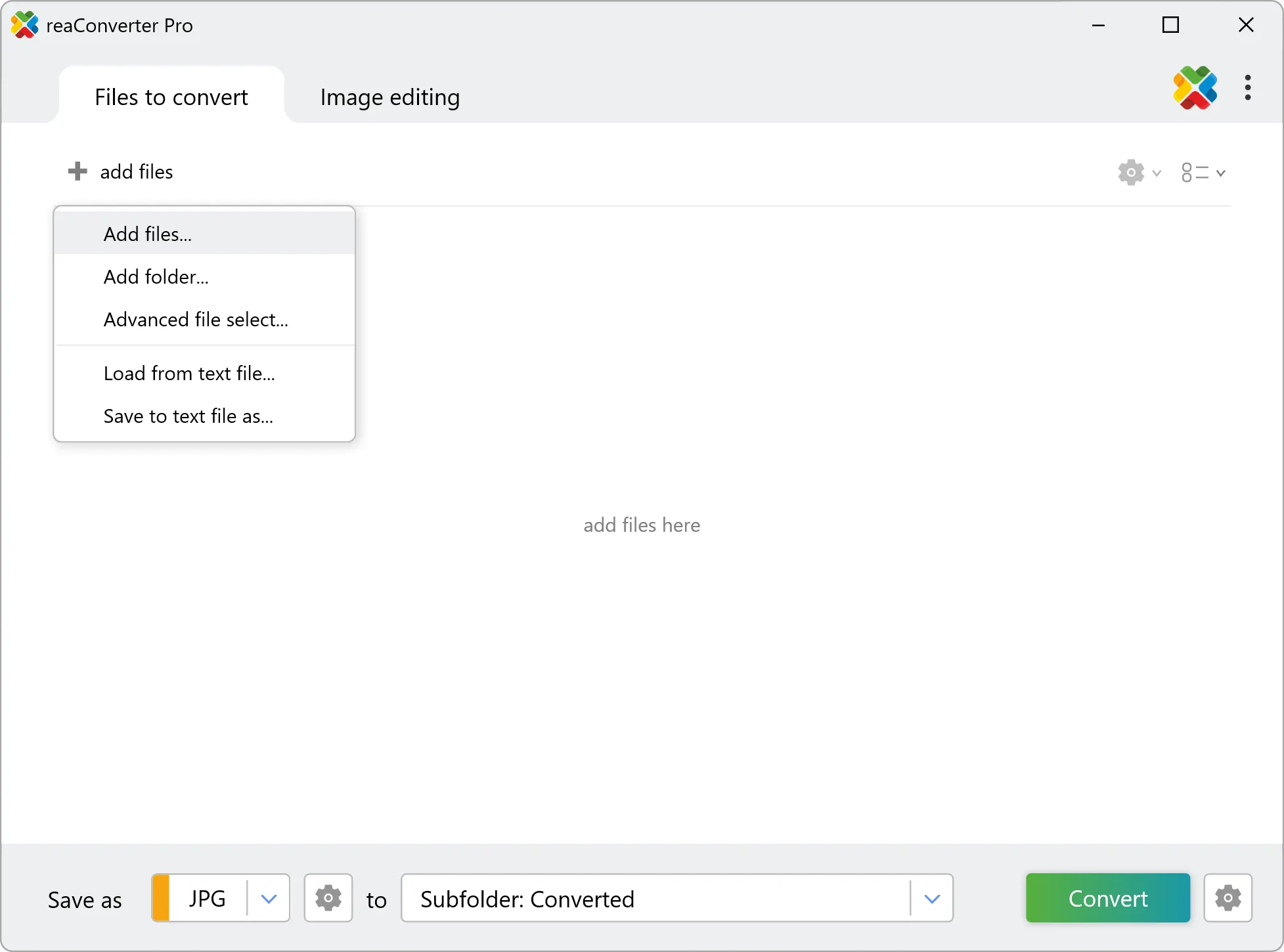
Open reaConverter and import your .fit files. No file limits, no slowdowns. Add as many as you need.
Drag files into the window, use the Add Files button, or select entire folders.
3. Select DDS as output format
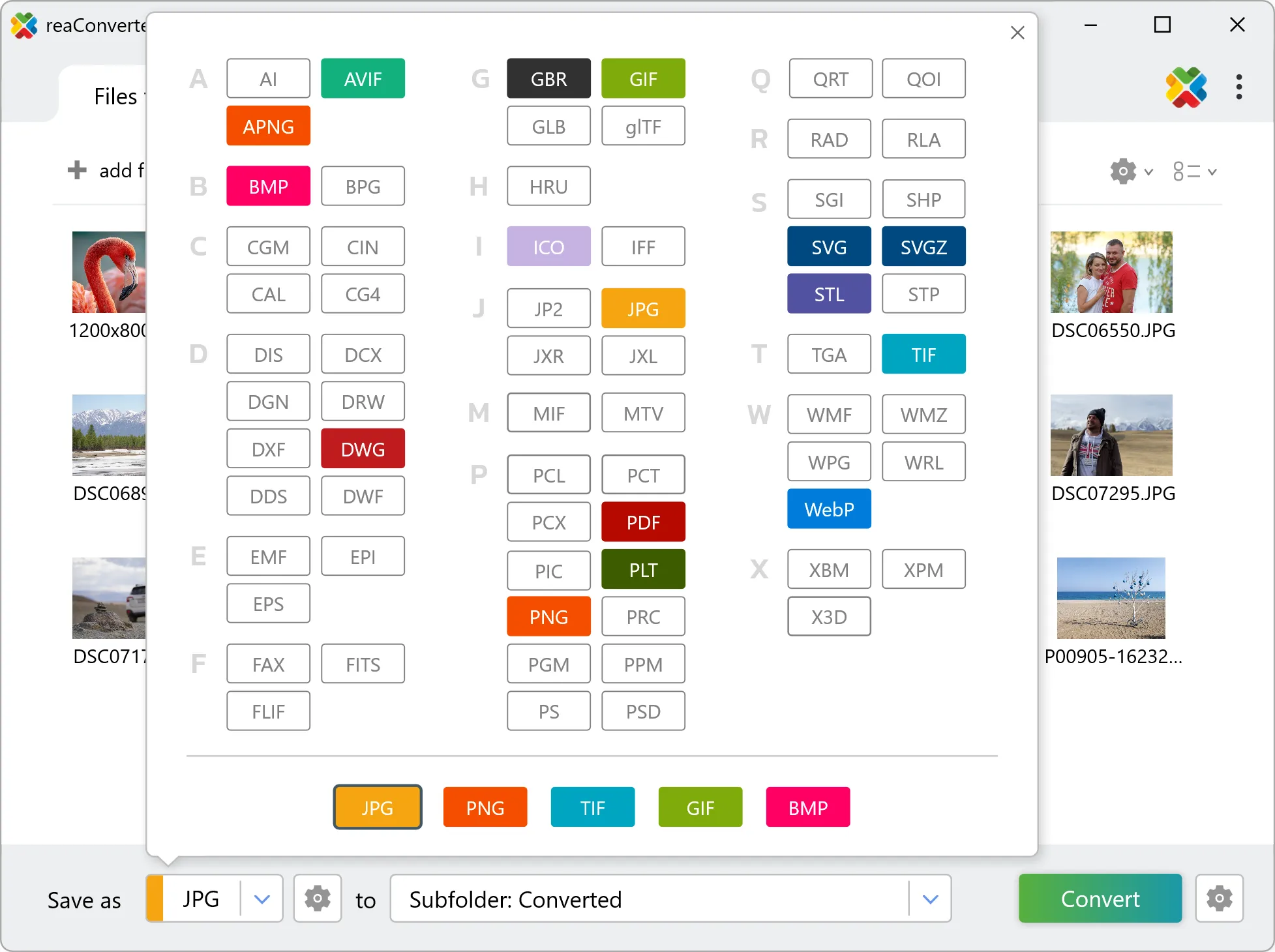
Select DDS as target format and pick where to save results. You can keep default settings or fine-tune the output.
4. Start FIT to DDS conversion
Hit Convert to process your files. The log window shows progress, timing, and status for every file.
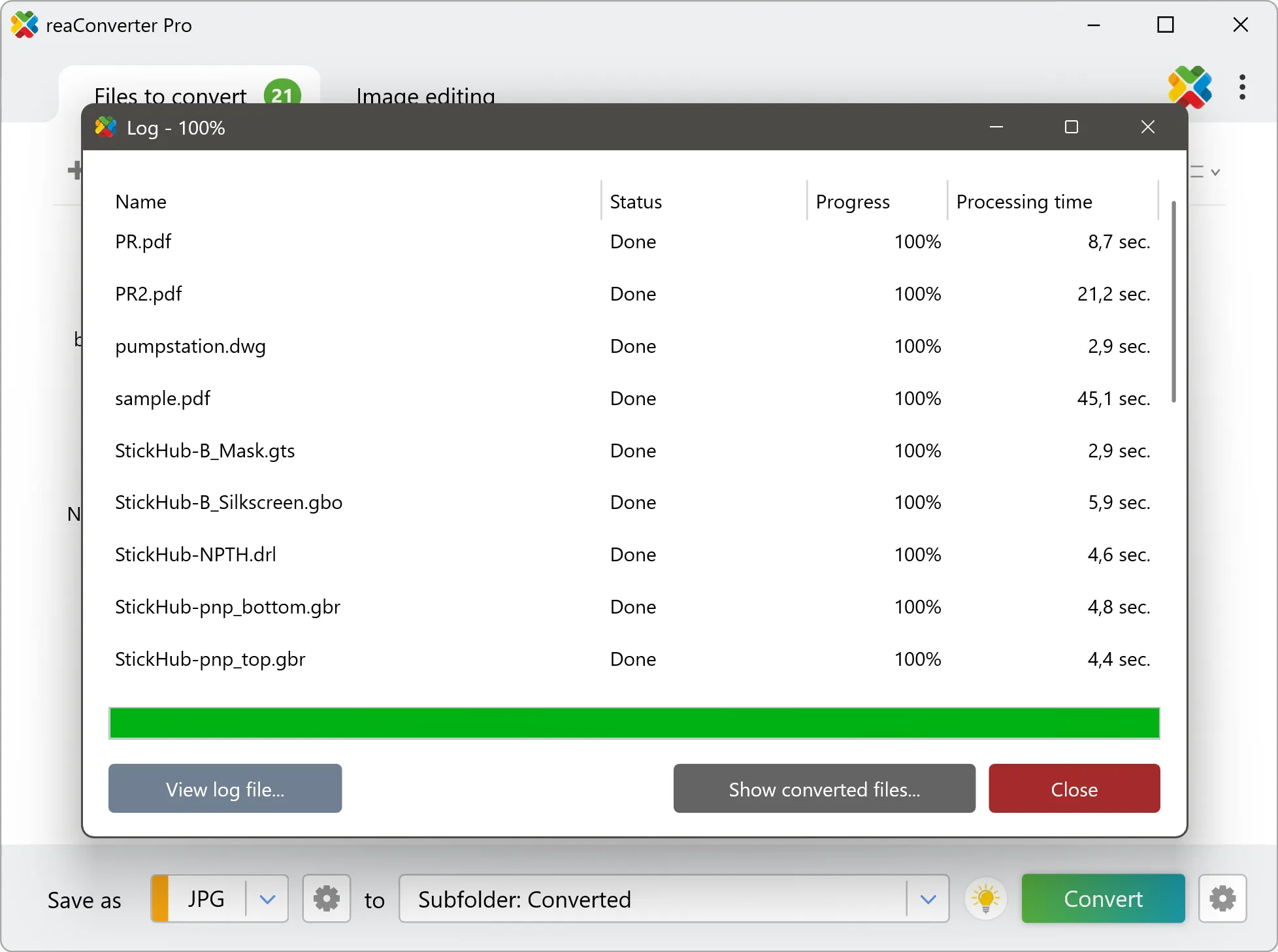
Conversion complete? Your DDS files are saved to the destination folder, ready to use.