FAQ
FITS to PPM Conversion
What are FITS files?
The FITS (Flexible Image Transport System) format is a standard format used particularly for storing, transferring and processing scientific images from fields such as astronomy. FITS was first launched as an open standard in the early 1980s and has gone through several subsequent upgrades. FITS files contain not just images, but also data related to photometry and spatial calibration, and information about the origin of the image. Similar formats include FIT and FTS.
What are PPM files?
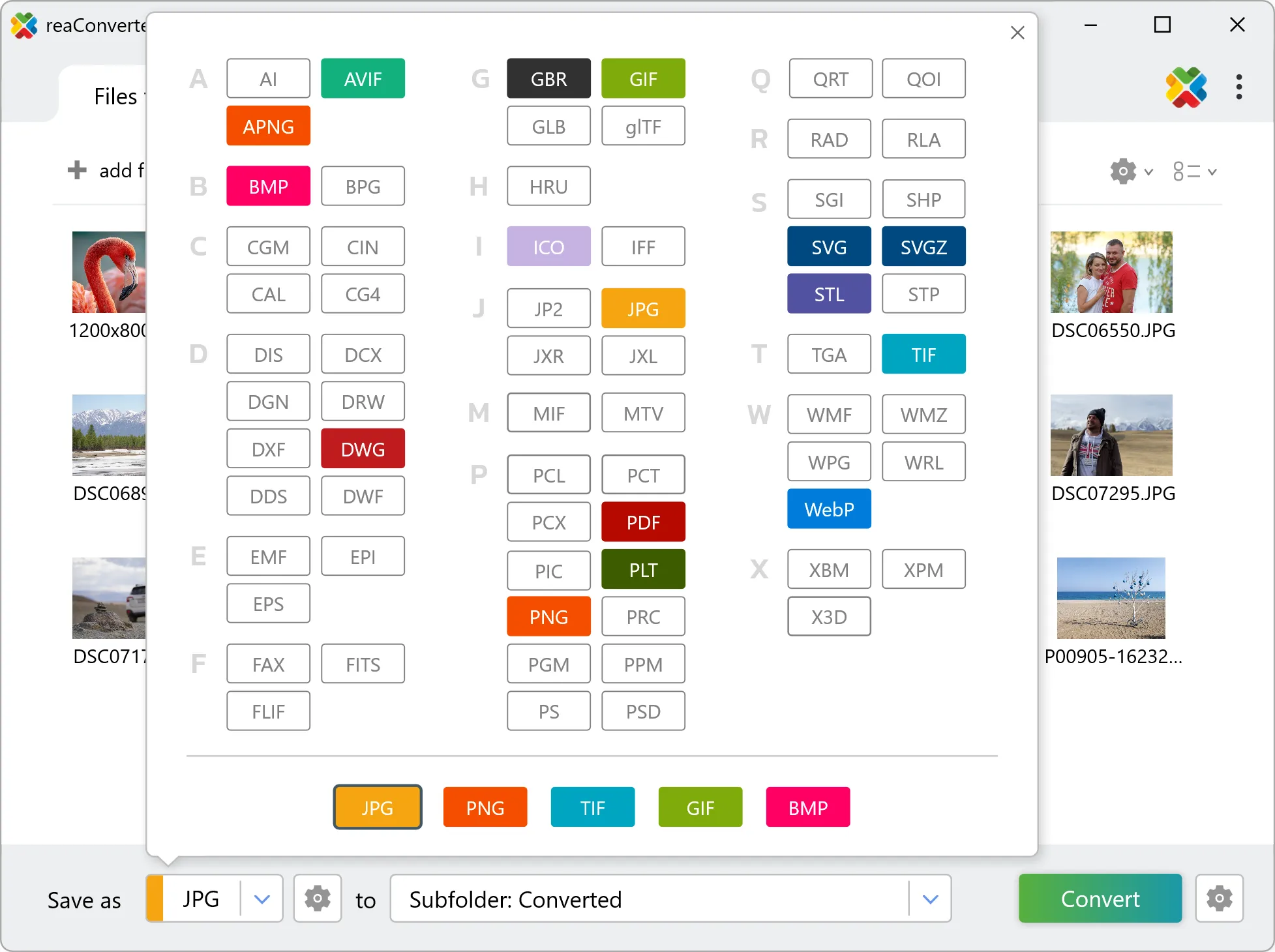
PPM or Portable Pixelmap files are image files included in Netpbm, an open source graphics program. The other widely used Netpbm formats are PGM (Portable Graymap) and PBM (Portable Bitmap). All three are image formats and are sometimes called collectively PNMs (Portable Anymap format). While PGMs contains grayscale images, PPMs include color images and they represent intermediary files used in the conversion of less known formats using the Portable Bitmap Utilities. PPM files are mostly operated on UNIX and Intel-based platforms.
Can reaConverter convert FITS to PPM?
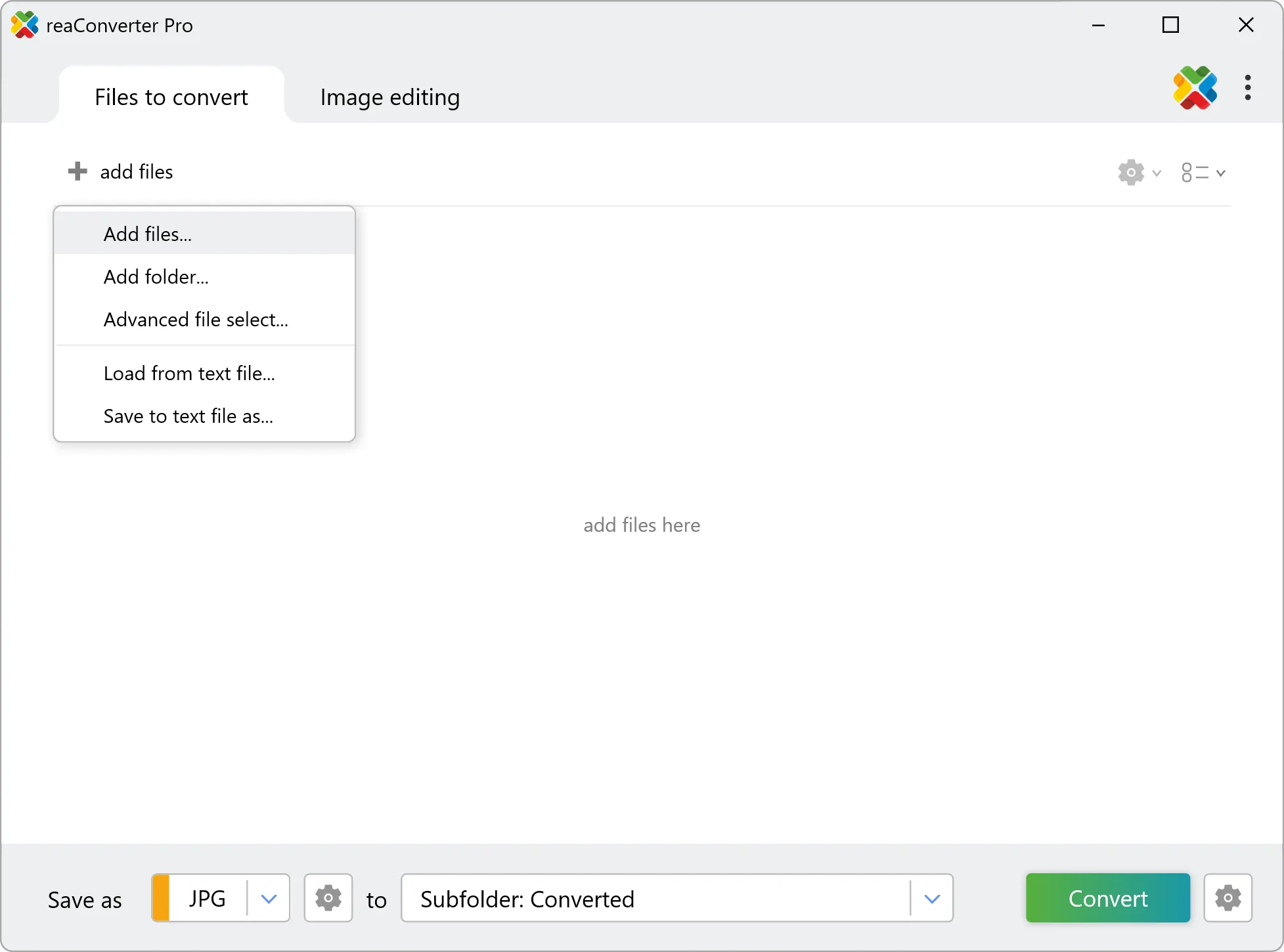
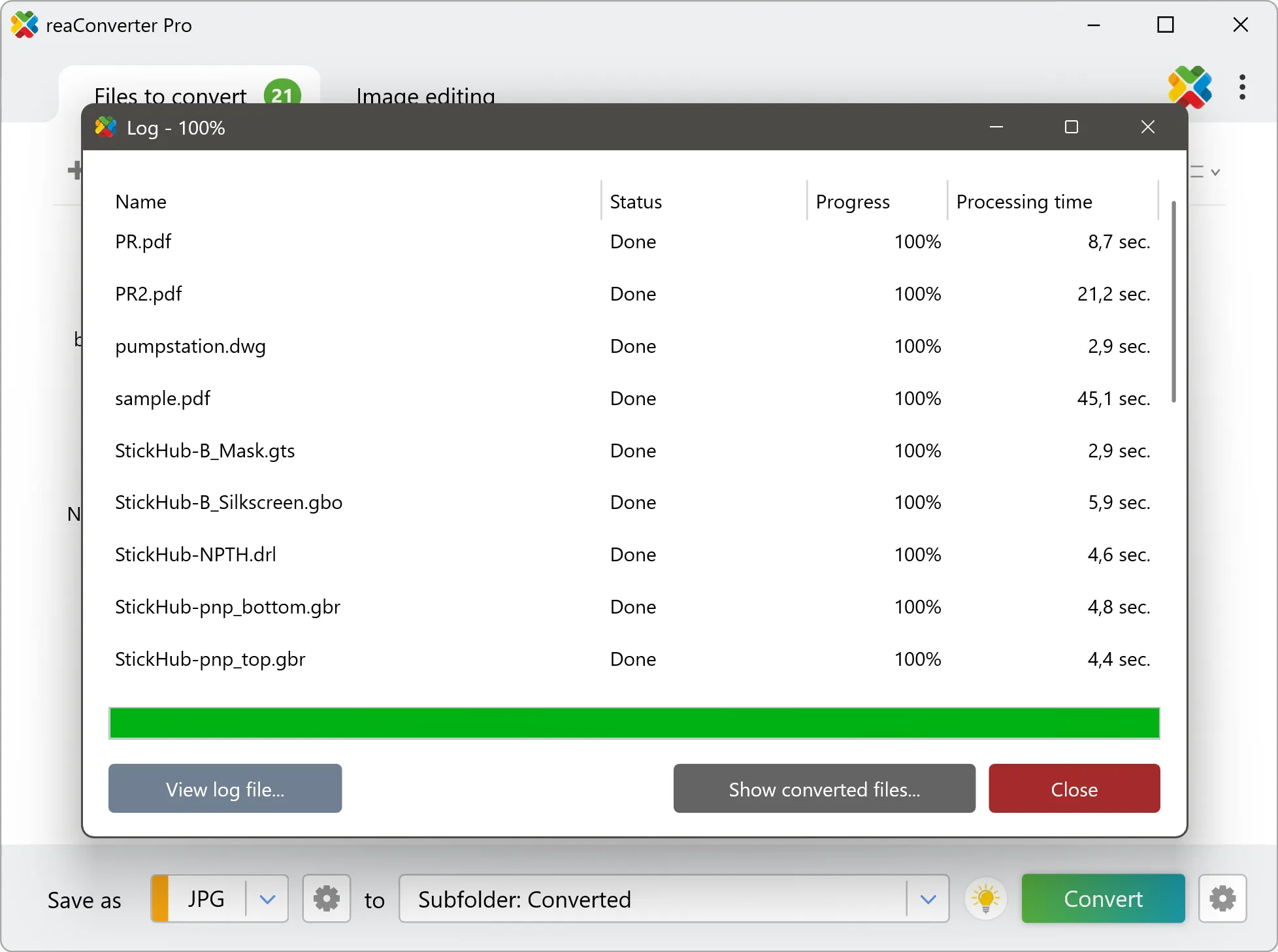
Yes! reaConverter instantly converts .fits to .ppm with perfect quality preservation. With its batch processing feature, you can convert multiple files at once in just a few clicks. You can even convert FITS images directly from Windows Explorer using the right-click menu — fast and convenient.
What is reaConverter used for?
reaConverter is a software program used for converting images and other types of files from one format to another. It supports a wide range of file formats and allows users to convert multiple files at once, making it a valuable tool for graphic designers, photographers, and other professionals who work with digital images. reaConverter also includes features for resizing, cropping, and editing images, along with batch processing capabilities that help automate repetitive tasks.
Can I convert FITS to PPM in my browser?
Yes — with our free web-based FITS to PPM converter, you can convert .fits files instantly, right in your browser. No installation, no uploads — perfect for quick, local conversions.
How can I turn FITS files into PPM on my computer?
The best way to change FITSs to PPMs on your PC is to install a quality piece of software, such as reaConverter. This software is extremely efficient in managing a wide range of batch files conversions, including conversion from FITS to PPM.
How can I automate FITS to PPM files conversion?
reaConverter supports all the most useful automation features such as right-click сonversion and Watch Folders for the most efficient automated files conversion in any software of this type.
Is there a way to convert FITS files to PPM using the command prompt?
reaConverter provides full access to all its features via Windows command line, including a high-performance command-line fits to ppm converter for batch processing.
What else can I do with reaConverter?
Convert PDF filesAdd watermark on imageChange format settingsCopy metadata (EXIF, IPTC)Convert medical images
Related conversions
Other ways to convert FITS files, and other sources that convert to PPM.