



How to Convert Multiple .fits Images to .tif?
1. Download and Install reaConverter
Download reaConverter and install it in seconds. The setup is straightforward — no complex configuration, no extra software required. You can also resize, crop, and adjust images during conversion.

2. Load your FITS files
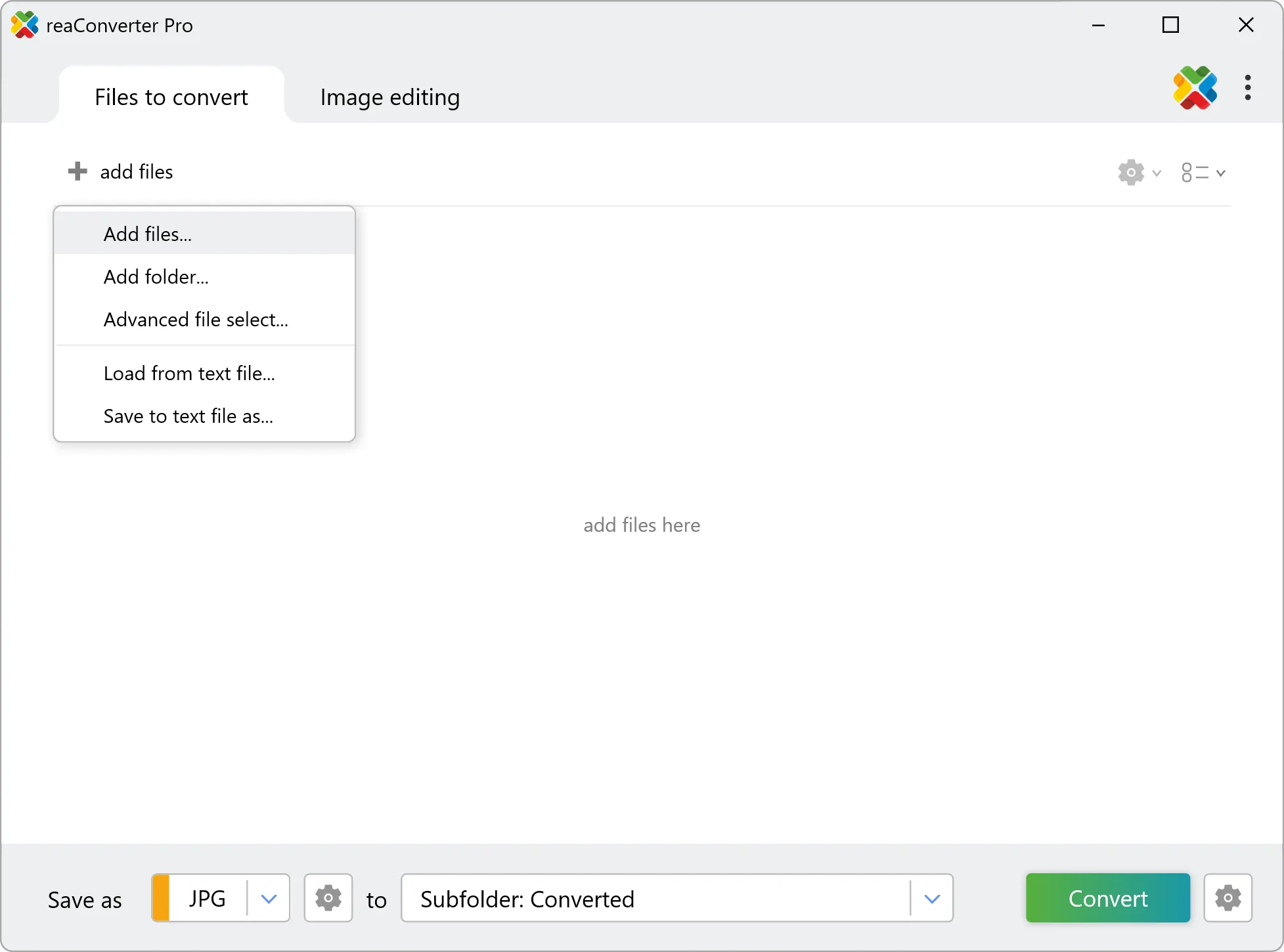
Add your FITS files to reaConverter. Whether it's a handful or an entire archive, the batch engine processes them efficiently.
Browse for files, drag them in, or add entire folders at once. reaConverter queues everything automatically.
3. Select TIF as output format
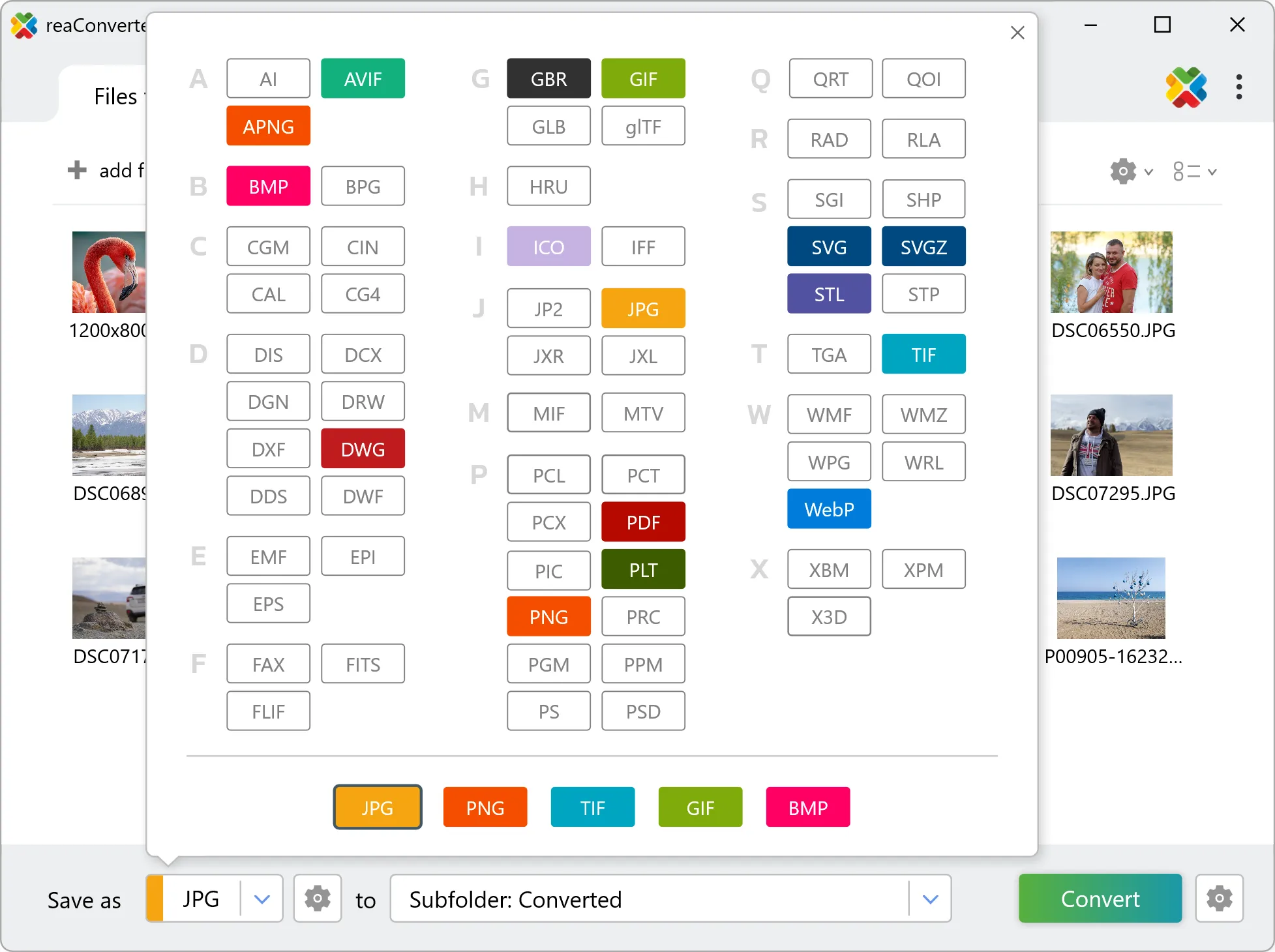
Pick TIF as the output format. Set the destination folder and optionally configure resolution, quality, or file naming.
4. Start FITS to TIF conversion
Start the conversion with one click. reaConverter handles everything and notifies you when it's done.
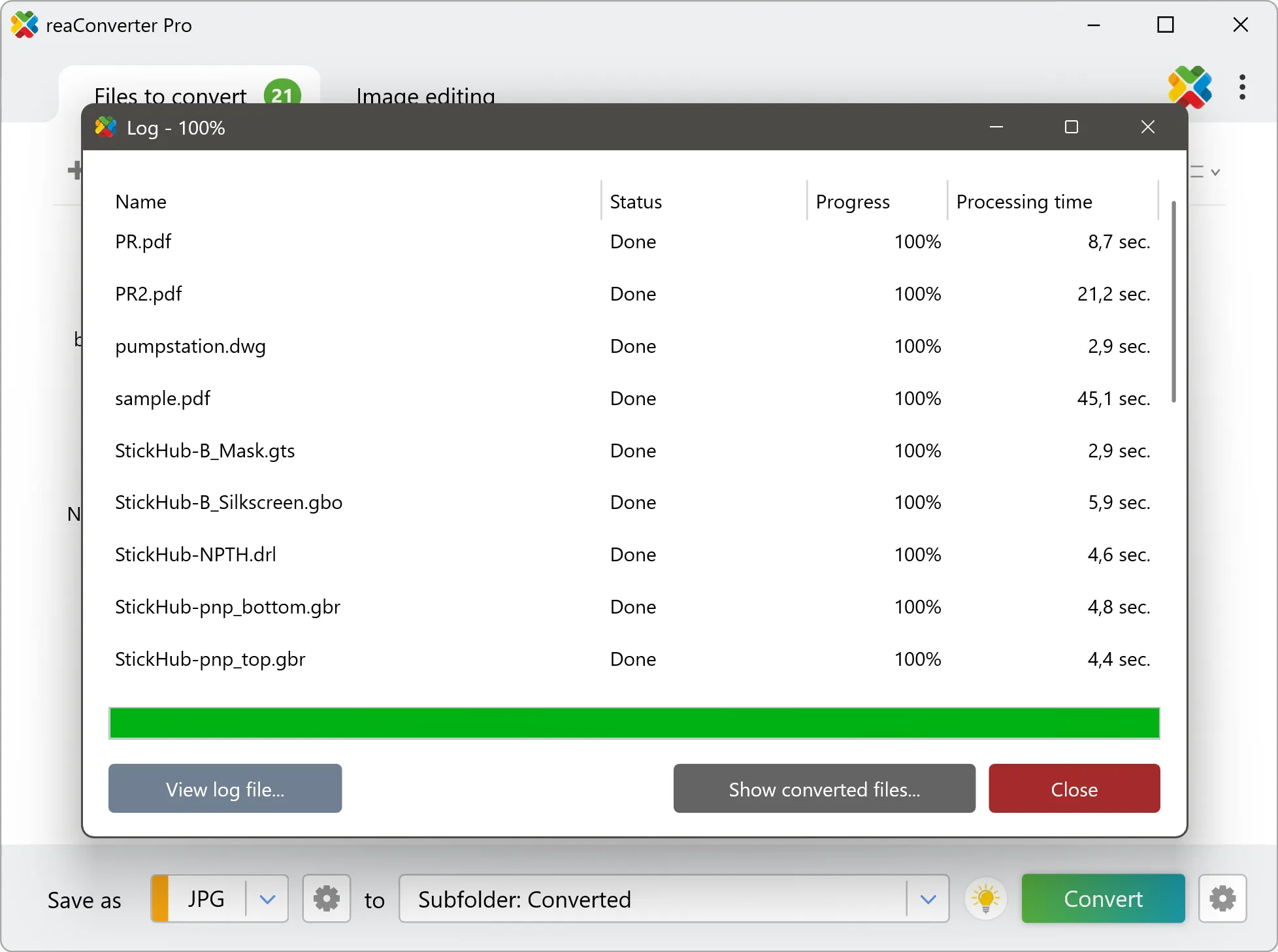
When the batch finishes, your TIF files are ready in the destination folder you chose earlier.