FAQ
PARQUET to KTX2 Conversion
What are PARQUET files?
PARQUET in this context is GeoParquet, a way of storing geographic data, such as points, lines, and polygons with their attributes, in Apache Parquet files. Parquet is an open format for large tables that keeps the values of each column together and compresses them, which makes files small and lets a program read only the columns and the parts of the table that it needs. GeoParquet adds to it the information that makes the table geographic: which column holds the shapes, how they are encoded, and in which coordinate system they are given. The format is popular for analysis of very large data sets in the cloud, such as all buildings of a country, and it has been developed within the Open Geospatial Consortium. Plain Parquet files without geographic information use the same extension.
What are KTX2 files?
KTX2 (Khronos Texture 2.0) is a container file format for GPU-ready texture data, published by the Khronos Group as the successor to the original KTX format. A single file can hold 1D, 2D, 3D, cubemap and array textures together with their full mipmap chains, stored in the memory layout expected by graphics APIs such as Vulkan, OpenGL and OpenGL ES, so the contents can be uploaded to the video card with little or no additional processing. Besides plain block-compressed data, KTX2 supports supercompression: Basis Universal (ETC1S and UASTC) allows one file to be transcoded at load time into the format the target device actually needs, while Zstandard and ZLIB simply reduce file size. The format is the texture payload used by the glTF KHR_texture_basisu extension, which makes it common in 3D assets for the web, game engines and AR applications.
Can reaConverter convert PARQUET to KTX2?
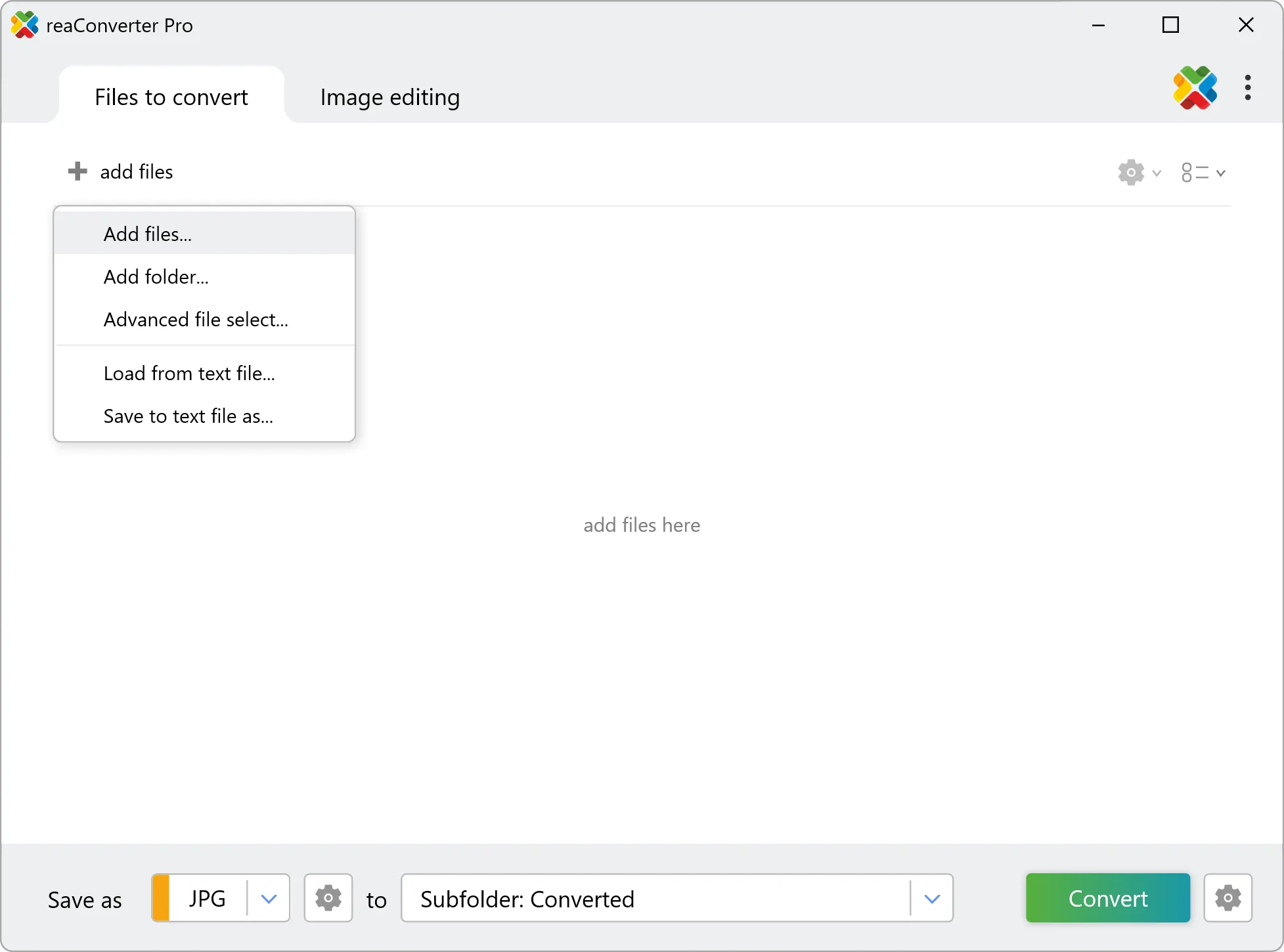
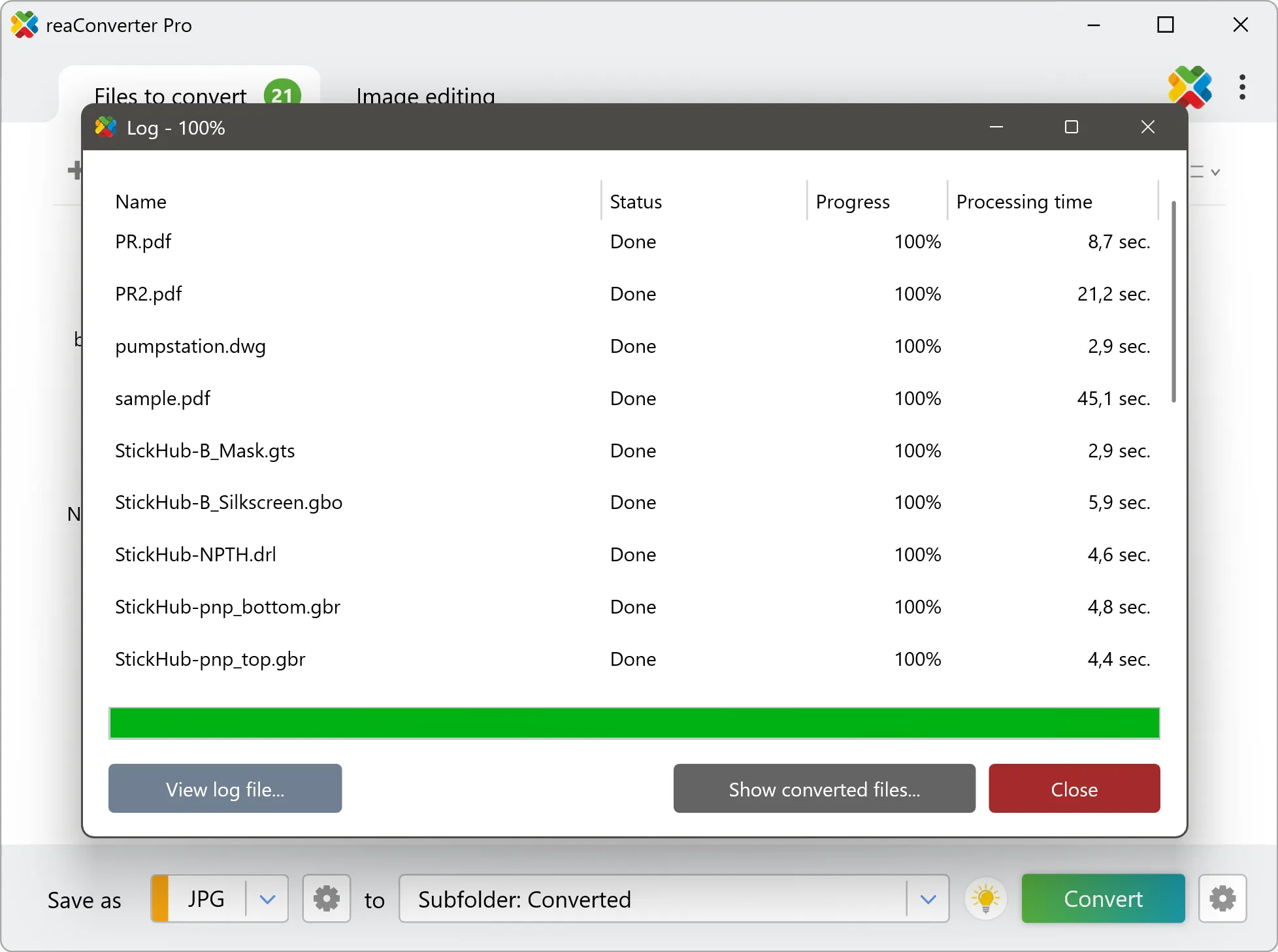
Yes! reaConverter instantly converts .parquet to .ktx2 with perfect quality preservation. With its batch processing feature, you can convert multiple files at once in just a few clicks. You can even convert images directly from Windows Explorer using the right-click menu — fast and convenient.
What is reaConverter used for?
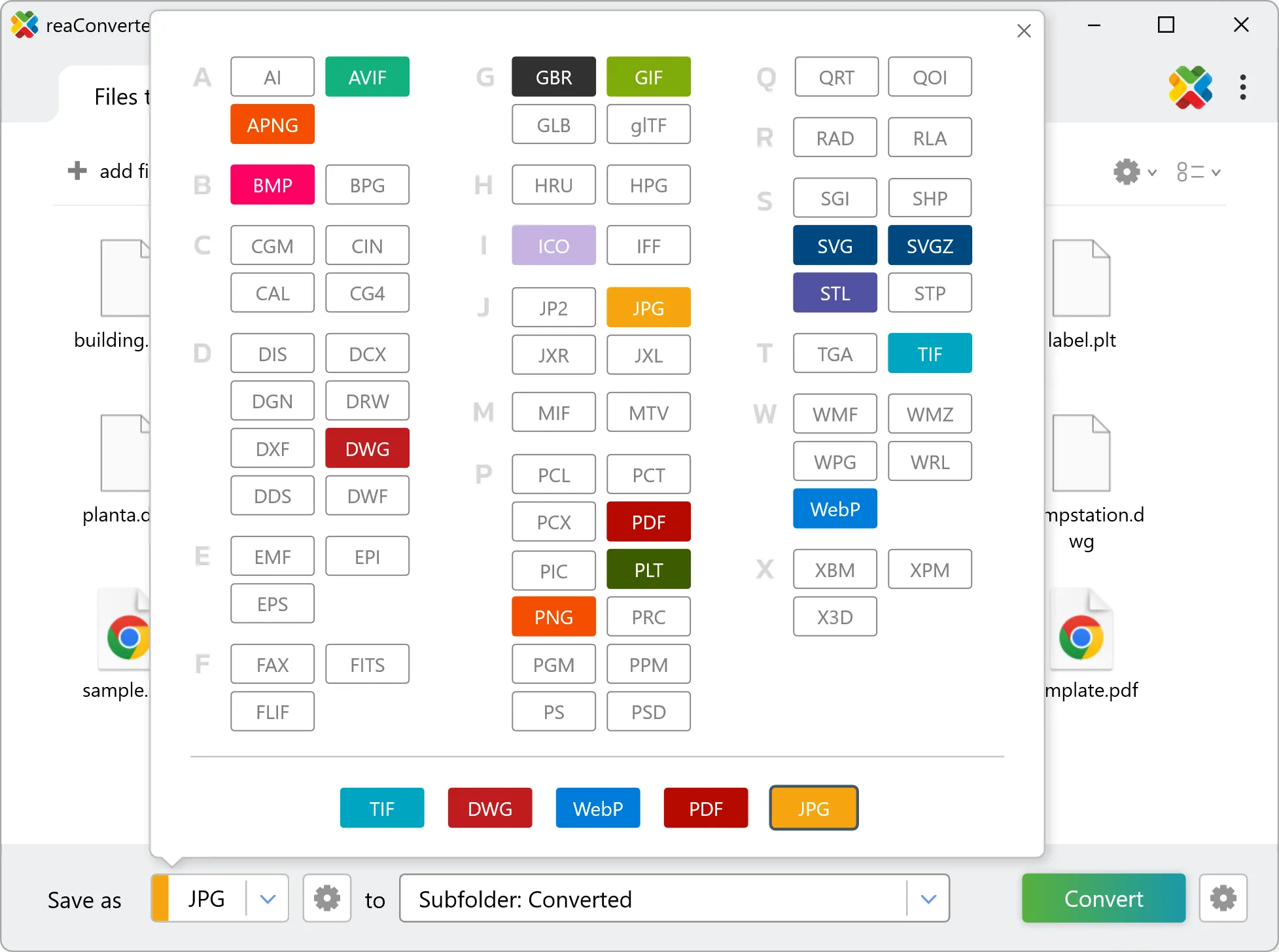
reaConverter is a Windows converter for 800+ formats, GIS data among them. For PARQUET to KTX2 it replaces the usual detour through QGIS, ArcGIS or ogr2ogr: add the files, pick the output format, and the whole batch converts offline. Surveyors, planners and engineering teams use it to pass data between GIS, CAD and everyday document formats.
Why choose offline conversion with reaConverter?
reaConverter is a software program that is used for offline files conversion. Your proprietary documents never leave your computer – essential for architects, engineers, healthcare and government contractors handling classified projects. Meets GDPR, HIPAA, CCPA, and corporate security policies by ensuring files never cross borders or third-party systems.
Can I convert PARQUET to KTX2 online?
If you only need to convert a few PARQUET files to KTX2 format, feel free to try our free online free online PARQUET to KTX2 converter — perfect for small batches with no installation needed!
How can I turn PARQUET files into KTX2 on my computer?
The best way to change PARQUETs to KTX2s on your PC is to install a quality piece of software, such as reaConverter. This software is extremely efficient in managing a wide range of batch files conversions, including conversion from PARQUET to KTX2.
How can I automate PARQUET to KTX2 files conversion?
reaConverter supports all the most useful automation features such as right-click сonversion and Watch Folders for the most efficient automated files conversion in any software of this type.
Is there a way to convert PARQUET files to KTX2 using the command prompt?
reaConverter provides full access to all its features via Windows command line, including a high-performance command-line parquet to ktx2 converter for batch processing.
What else can I do with reaConverter?
Convert whole-slide imagesResize picturesConvert PDF filesAdd watermark on photoConvert vector files
Related conversions
Other ways to convert PARQUET files, and other sources that convert to KTX2.